
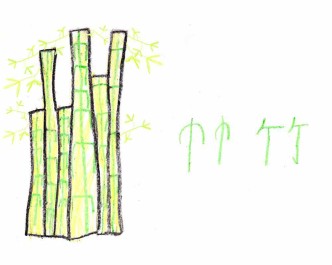
竹
zhú Bamboo is the radical, No. 118. The seal writing represents the drooping whorl of leaves, the inverse of 屮 chè a …
Chinese characters, Chinese symbols and Chinese alphabet with visual diagrams to explain its orgins from ideograms and pictographs.
zhú Bamboo is the radical, No. 118. The seal writing represents the drooping whorl of leaves, the inverse of 屮 chè a …

坐 zuò zuò. To sit down, to rest, to place, to reign. The radical is 土 tǔ, the 32nd. Two men 人 …

huǒ Radical No. 86, fire. A representation of a flame in the old writing. Compounds 火车 huǒchē - train 火锅 huǒguō - …

qì Vapor, is the radical, No. 84, meaning curling vapors rising from the ground and forming clouds. Ancient forms show the sun …
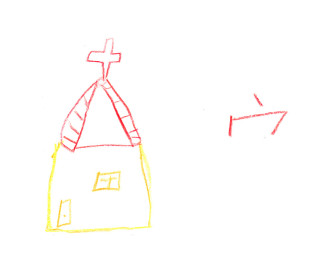
mián Picture of a roof, a shelter, a house. It is the 40th radical of characters relating to dwellings Learn more about …

cóng From, to follow, obey. A man walking after another, and often written 从 to represent that idea Compounds 服从 fúcóng – …

bái White, is the radical, No. 106. The sun just appearing and making white daylight, cf. 白天 baí tiān. Compounds 白色 báisè …

cǎo Grass, a picture, the 140th radical, is its radicaI. It is written 艸 when standing alone, and 艹 in composition. The …
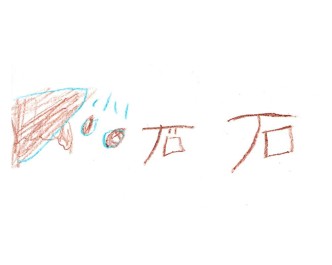
shí Stone. It is a piece of rock 口 fallen from a cliff 厂 hàn(27th radical). It forms the 112th radical. Compounds …
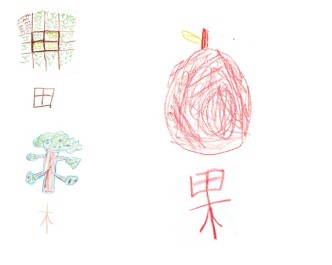
guǒ. Phonetic, fruit. (W: 120 F). The fruit is represented by 田 tián on the tree 木. This combination would make an …
